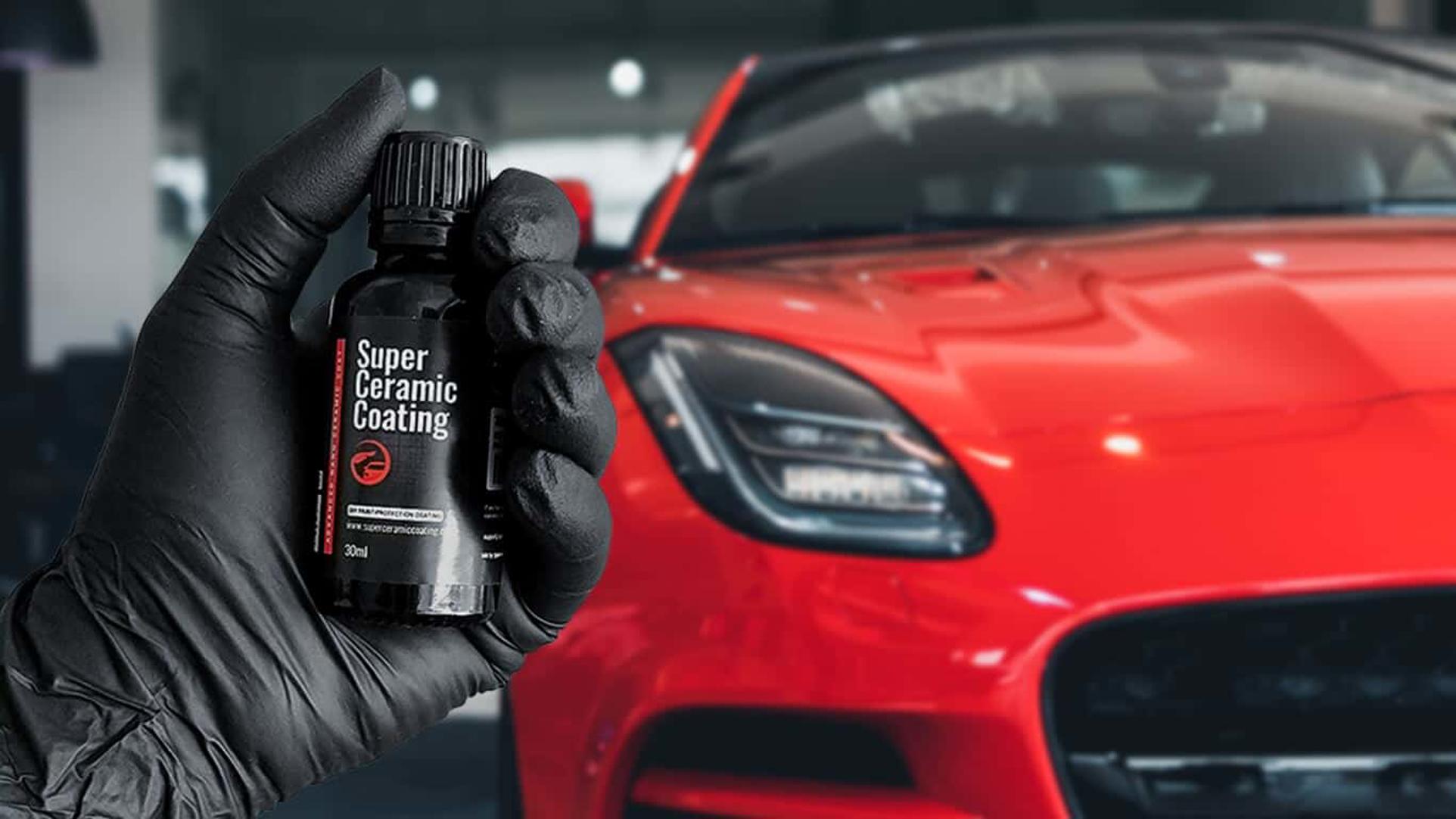
Ceramic coating enhances vehicle paint protection, repelling dirt, water, and UV rays, providing a durable, glossy, and hydrophobic finish.
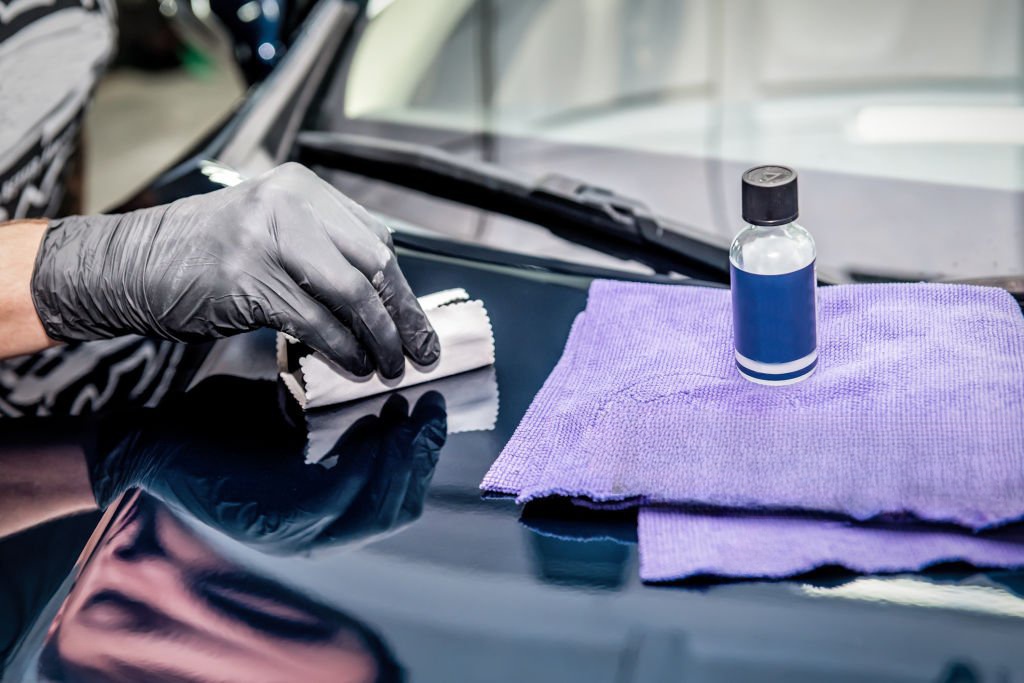
Ceramic coating, a liquid polymer applied to a vehicle's exterior, forms a protective layer that enhances gloss, repels contaminants, and provides long-term defense against environmental factors, maintaining a showroom finish. Ceramic Coating Application Process .
Initiate the process with a thorough vehicle surface cleansing to remove contaminants, ensuring optimal adhesion for the ceramic coating. This step establishes a clean canvas for the coating application.
Go beyond the surface, removing embedded contaminants and pollutants that may compromise the bonding and effectiveness of the ceramic coating..
Address imperfections such as swirls and scratches through paint correction techniques before applying the ceramic coating, ensuring a flawless result
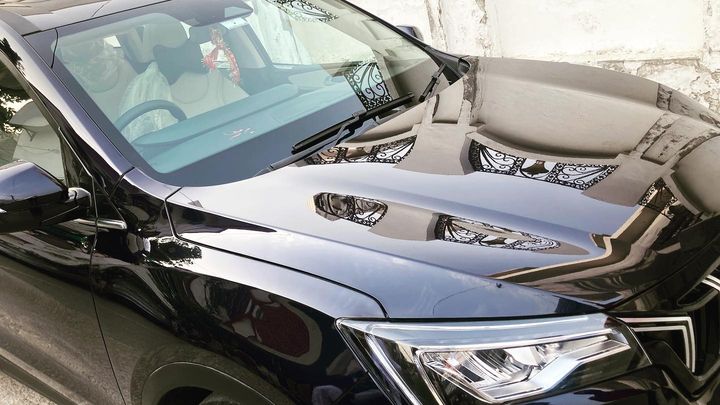
Apply the liquid ceramic coating with precision, covering the vehicle's surface. This step involves even distribution to create a uniform, protective layer that bonds chemically with the factory paint.
Allow the applied ceramic coating to cure, often through air-drying or infrared lamps. This curing process enhances the coating's durability and longevity, solidifying its protective properties.
Conclude the application with a meticulous final inspection. This step involves assessing the coated surface for any imperfections, ensuring a high-quality, resilient ceramic coating that enhances the vehicle's appearance and protection.
Detailing Wagon, part of Hazari's Group, is a leading auto detailing company offering premium services for vehicle enhancement. Specializing in meticulous exterior and interior detailing, paint correction, and protective coatings, they ensure a exceptionally super smooth finish. With cutting-edge techniques and personalized service, Detailing Wagon is the trusted choice for automotive enthusiasts.
You can contact us or reach us at the following:.